Construction Freight Shipping for Building Materials

Move building materials, machinery, fixtures, and project freight from mills, manufacturers, suppliers, ports, and warehouses to yards and commercial jobsites. Tetrix Transport coordinates construction freight shipping and jobsite delivery services through flatbed, step deck, RGN, dry van, FTL, LTL, drop trailer, warehousing, and qualified cross-border transportation across North America.

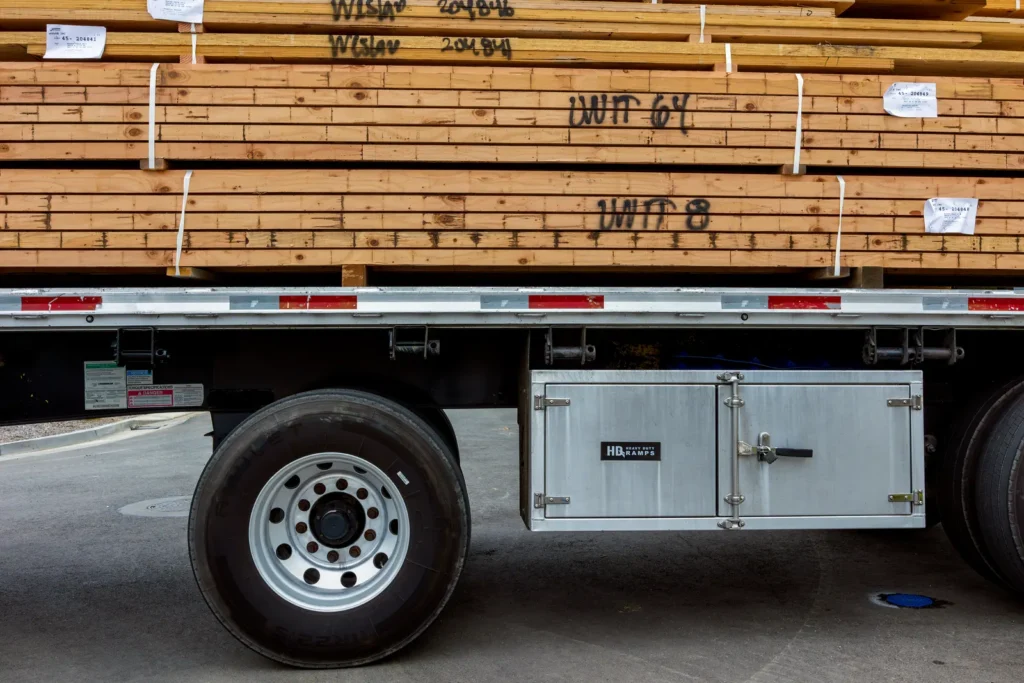
Bundled lumber secured on a flatbed trailer for construction delivery

CONSTRUCTION LOGISTICS

The delivery plan has to fit the site, not only the road.

A warehouse dock and an active construction site do not receive freight the same way. The truck entrance, road surface, turning space, gate hours, staging area, trailer length, unloading equipment, crew availability, and weather exposure can determine whether a delivery succeeds. When those details are missing, the right material can arrive on the wrong trailer or at a time when nobody can safely unload it.

Tetrix Transport provides building materials transportation as a freight brokerage and logistics coordinator for contractors, suppliers, manufacturers, distributors, fabricators, and project teams. We arrange flatbed shipping services, step deck, RGN, dry van, FTL, LTL, drop trailer, warehousing, and qualified cross-border freight according to the product, dimensions, weight, loading method, route, site access, and requested delivery window.

CONSTRUCTION FREIGHT

How businesses use construction freight shipping

Start with the use case closest to your shipment. Final equipment and service depend on the commodity, packaging, piece count, dimensions, weight, loading method, securement needs, route, delivery access, and unloading plan.

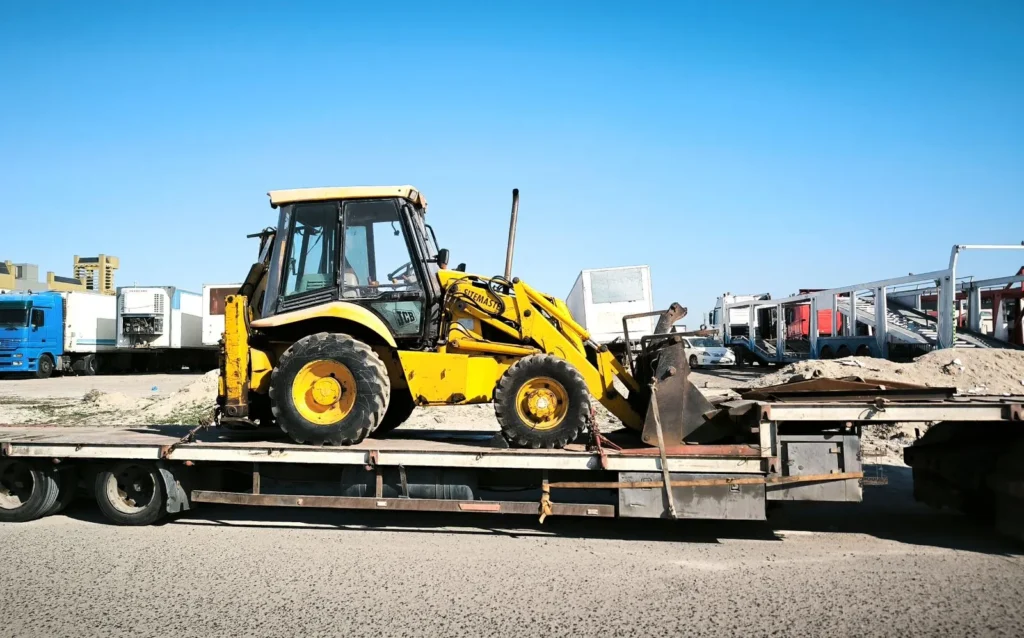
Yellow construction vehicle secured on a flatbed trailer

Flatbed and open-deck construction freight

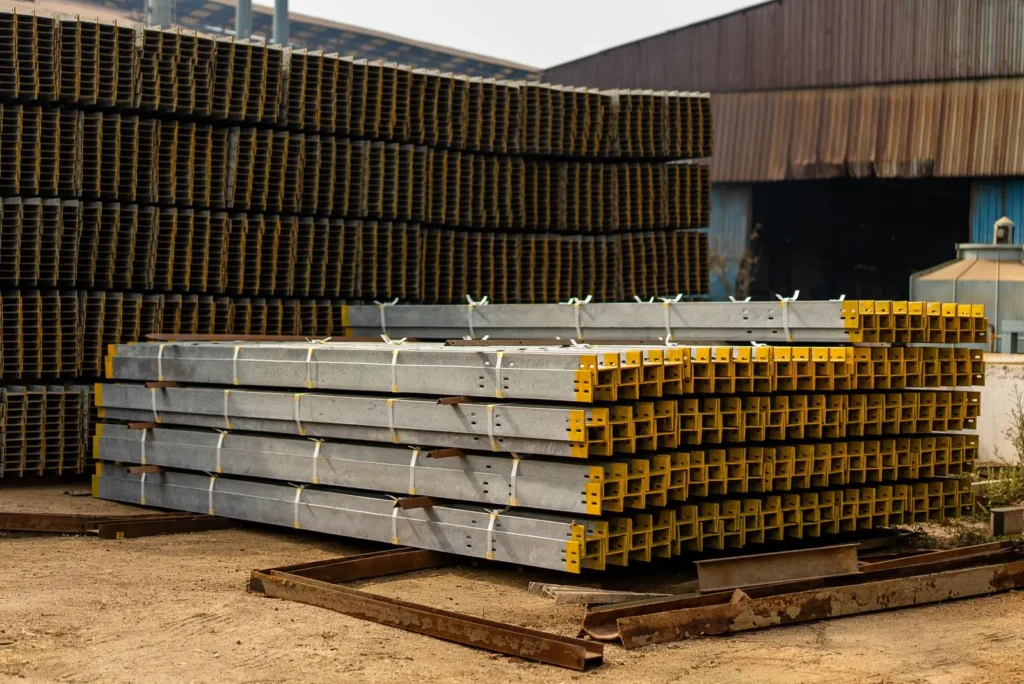
Open-deck freight starts with exact loaded dimensions and weight, not a general product name. Steel, lumber, pipe, panels, roofing, scaffolding, and machinery may require top, side, or crane loading as well as product-specific protection and securement by qualified parties. Send the bundle or piece count, longest dimensions, total weight, loading method, unloading method, and site conditions before quoting. Tetrix Transport coordinates suitable flatbed, step deck, or other approved open-deck capacity after the requirements are documented.
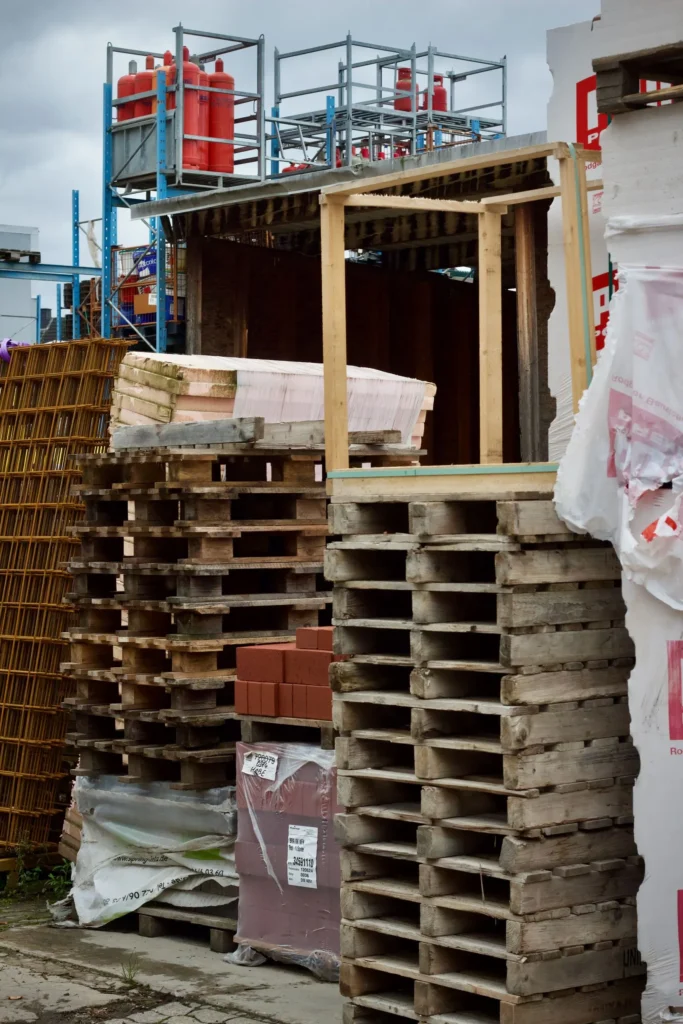
Wooden pallets and building materials staged at a construction site

Scheduled jobsite delivery

An active jobsite may have no dock, limited turning space, temporary access roads, security check-in, and a narrow receiving window. Provide the correct truck entrance, site contact, gate hours, trailer restrictions, surface conditions, staging location, and unloading equipment. Crane, forklift, telehandler, crew, or other unloading arrangements must be ready and assigned to the responsible site party. Tetrix Transport coordinates arrival instructions and appointment timing for the accepted commercial freight move.

Forklift loading palletized freight onto a truck

Time-critical material replenishment

Missing fasteners, electrical components, fabricated parts, fixtures, attachments, or replacement equipment can interrupt the next scheduled activity. Share the exact ready time, dimensions, weight, loading method, site cutoff, and latest useful arrival instead of asking only for the fastest truck. Tetrix Transport reviews direct, dedicated, or expedited options that are legal and realistic for the lane. Same-day or next-day service depends on origin, mileage, equipment, capacity, facility readiness, and hours-of-service limits.

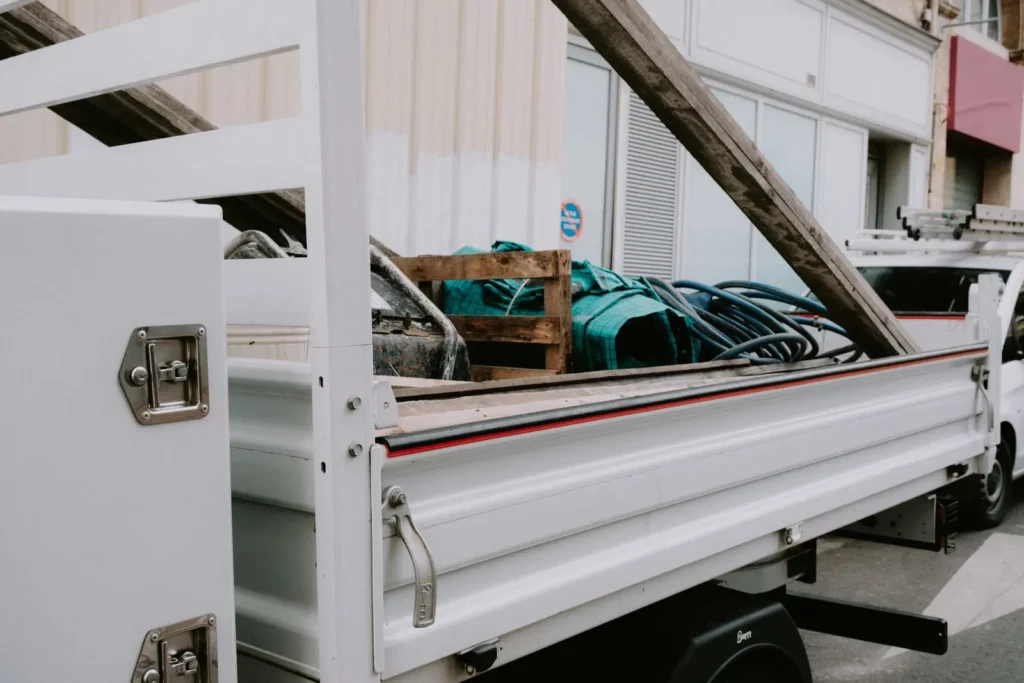
White truck carrying building materials at a construction site

Supplier-to-jobsite full truckload freight

Full truckload freight can fit palletized materials, packaged fixtures, millwork, flooring, insulation, bagged products, and other construction freight that benefits from dedicated trailer space. The shipper should confirm pallet or bundle count, dimensions, gross weight, loading pattern, product protection, and whether a standard dry van can serve both facilities. A dedicated trailer reduces intermediate handling but does not solve a restricted entrance or missing unload plan. Tetrix Transport coordinates the truck around the supplier’s ready time and the site’s accepted receiving window.

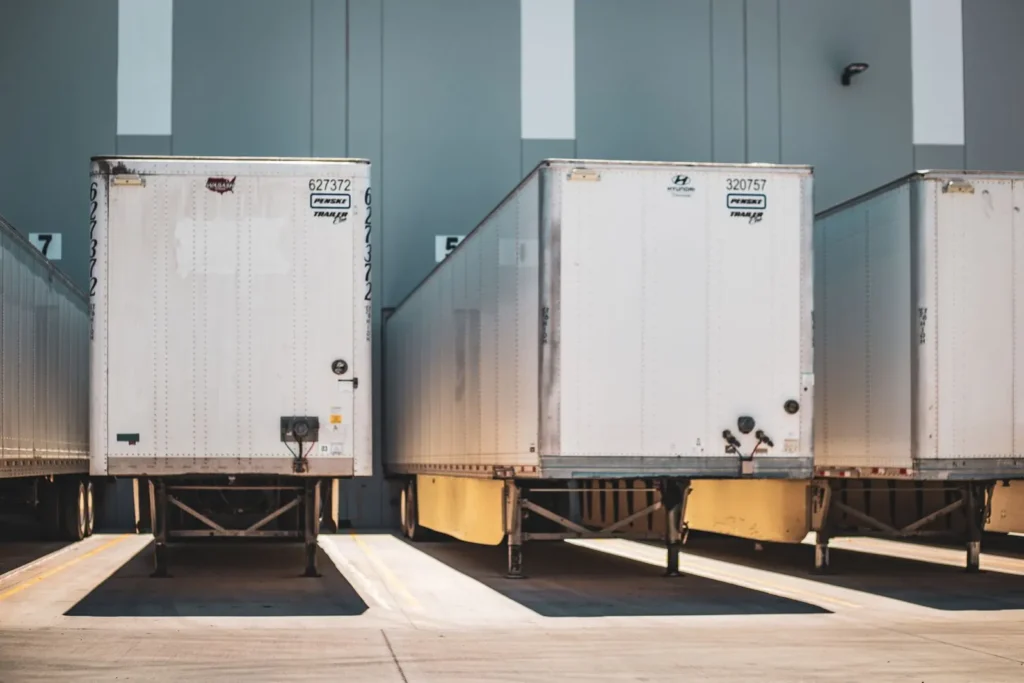
Rows of freight trailers parked at a commercial loading dock

Drop trailer staging for approved locations

Drop trailer service can separate loading or unloading time from a driver’s live appointment at a qualified yard, supplier, warehouse, or secure project location. A workable program depends on recurring volume, trailer type, level ground, safe access, yard space, security, dwell expectations, inspection procedures, and a process for loaded and empty equipment. Not every active jobsite is suitable for unattended trailer staging. Tetrix Transport reviews the operating conditions and coordinates an accepted drop program when appropriate capacity is available.

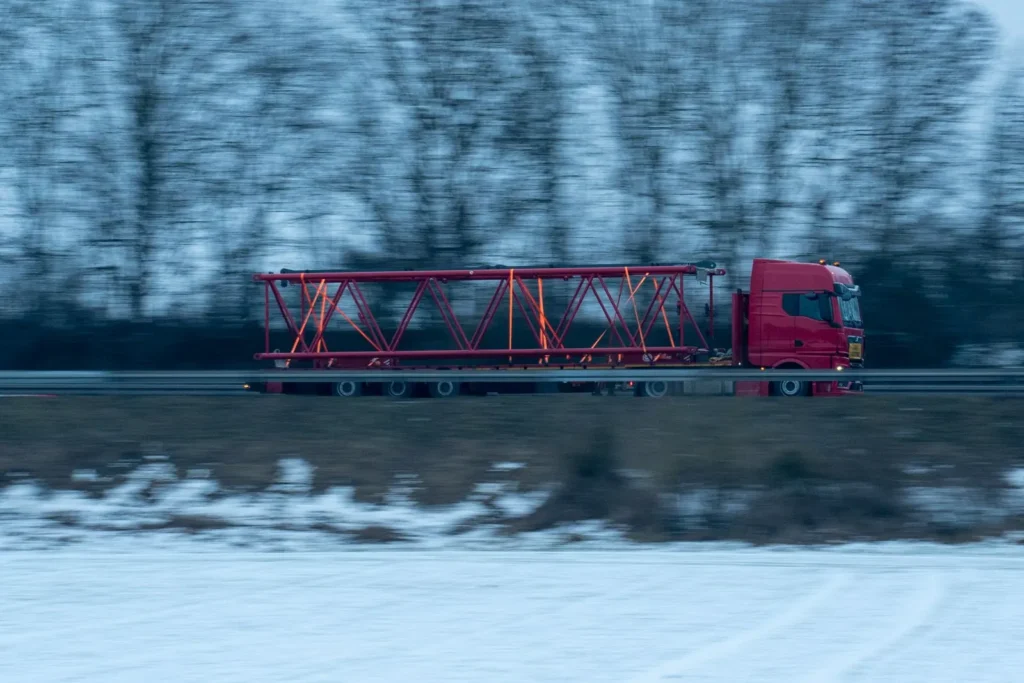
Truck carrying a large steel beam on a winter road

Oversize and overweight shipment planning

Loads that exceed legal dimensions or weight require exact measurements and route-specific review before dispatch. Provide the commodity, piece count, loaded length, width, height, gross weight, axle information when requested, center of gravity when relevant, and loading and unloading methods. State agencies issue oversize and overweight permits, and the responsible carrier or permit service must account for route restrictions, travel windows, escorts, and other conditions. Tetrix Transport coordinates qualified capacity and documents who will handle permits and escorts before the load is tendered.

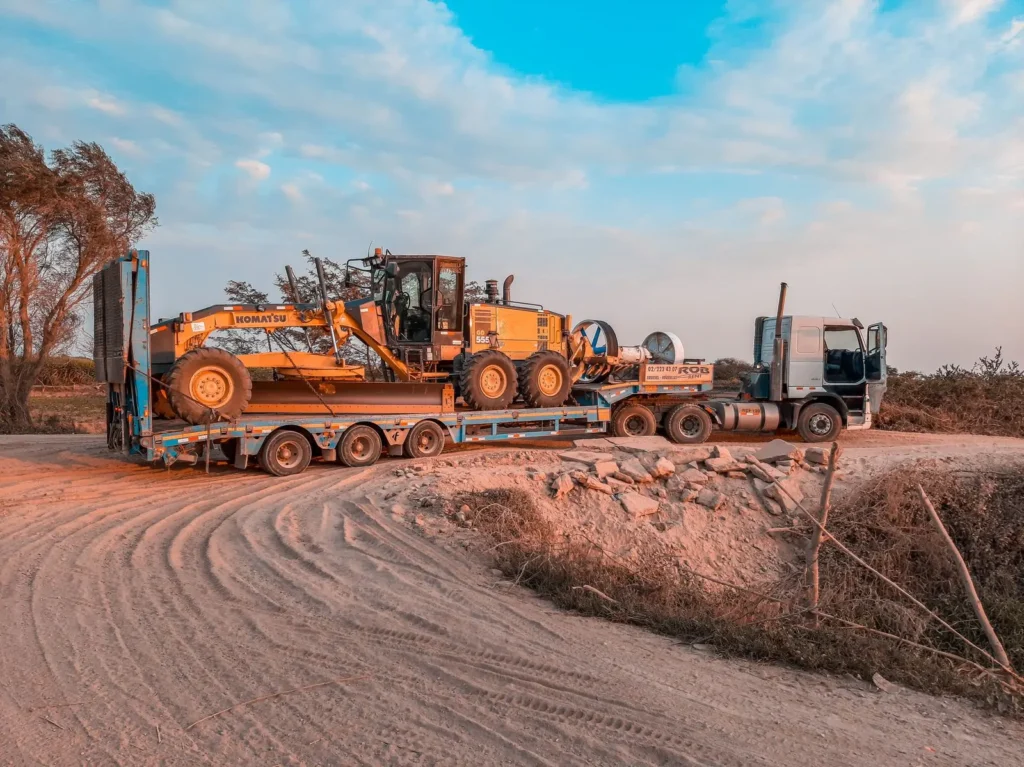
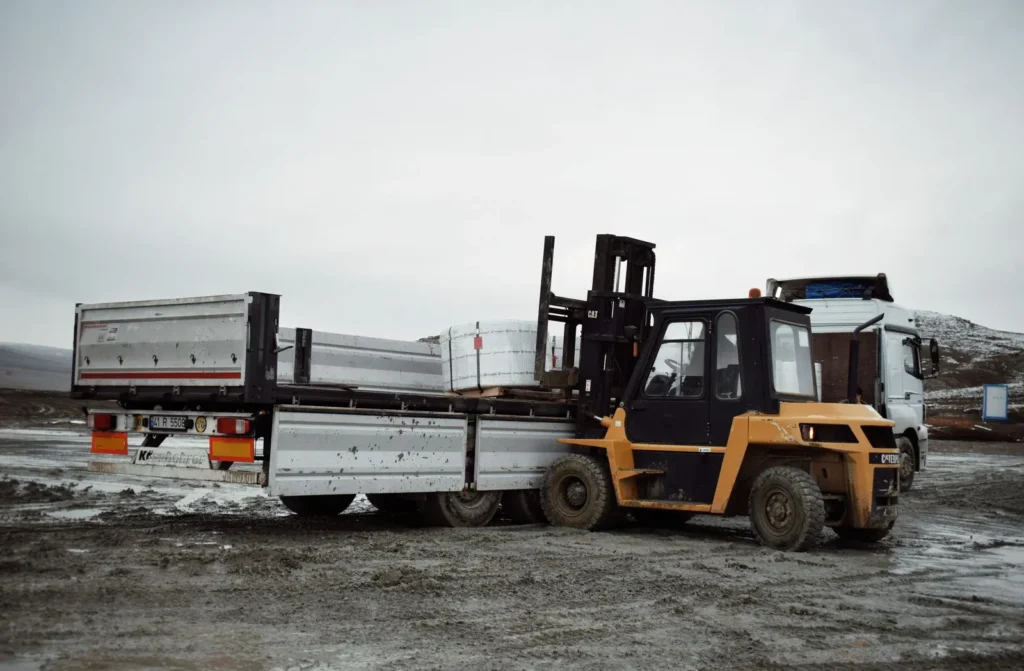
Truck transporting construction machinery on a dirt road

Construction machinery and attachment moves

Skid steers, lifts, generators, compressors, pumps, attachments, and other approved equipment should be quoted from verified specifications. Send the make, model, operating condition, dimensions, weight, attachments, fuel or battery information, and whether ramps, a dock, crane, or other loading equipment is available at both ends. Fluids, batteries, damaged equipment, and regulated components must be disclosed before booking. Tetrix Transport arranges suitable capacity after the equipment profile and loading responsibilities are clear.

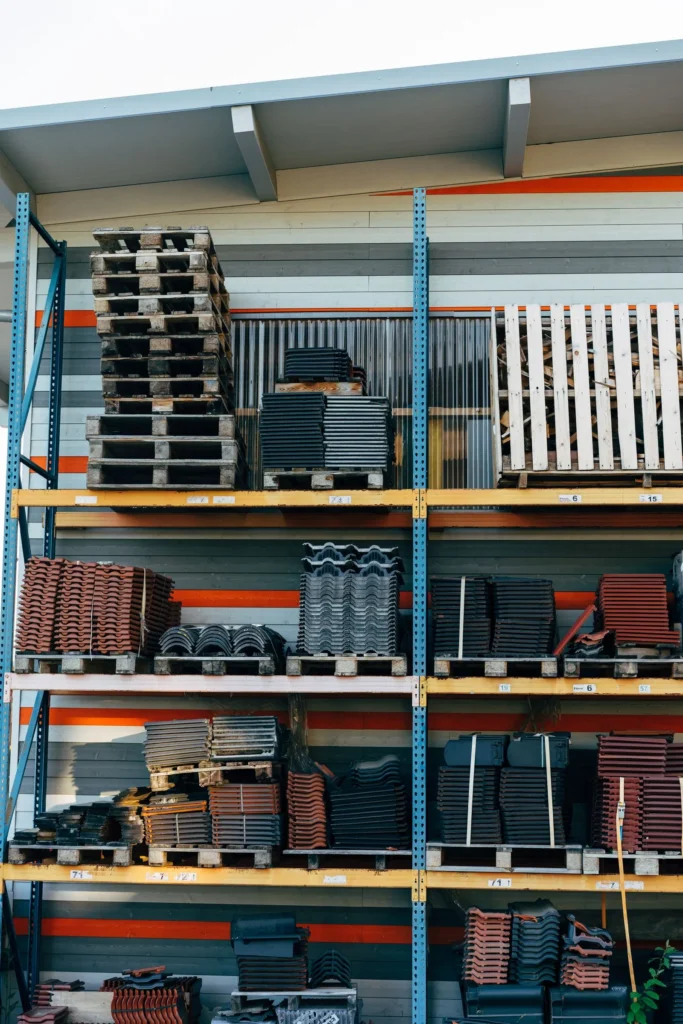
Construction materials stacked on racks at a supply store

LTL fixtures and finish materials

Less-than-truckload shipping can fit smaller quantities of properly packaged doors, hardware, lighting, flooring, plumbing supplies, electrical products, fixtures, and replacement materials. Accurate freight class, dimensions, weight, density, stackability, value, and accessorials help prevent reclassification and service changes. Because LTL freight normally moves through terminals and shares trailer space, packaging should withstand ordinary network handling. Jobsite, limited-access, appointment, liftgate, notification, and inside-delivery needs must be requested and confirmed before pickup.

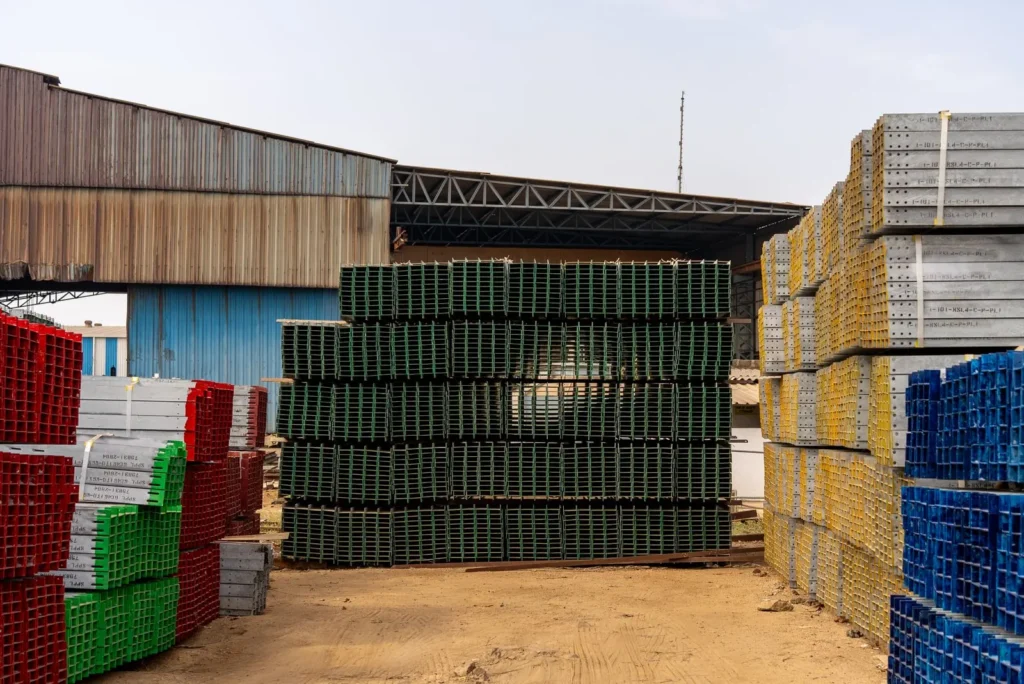
Stacks of construction materials in an outdoor storage yard

Site-to-site material and equipment transfers

Project teams sometimes need to move surplus materials, forms, fixtures, tools, or approved equipment from one commercial site to another. Both locations should provide an accurate inventory, dimensions, weight, loading method, receiving contact, access details, and responsibility for preparing the freight. Materials removed from an active site may need repackaging or re-bundling before they are safe to transport. Tetrix Transport coordinates the accepted move after both ends confirm readiness.

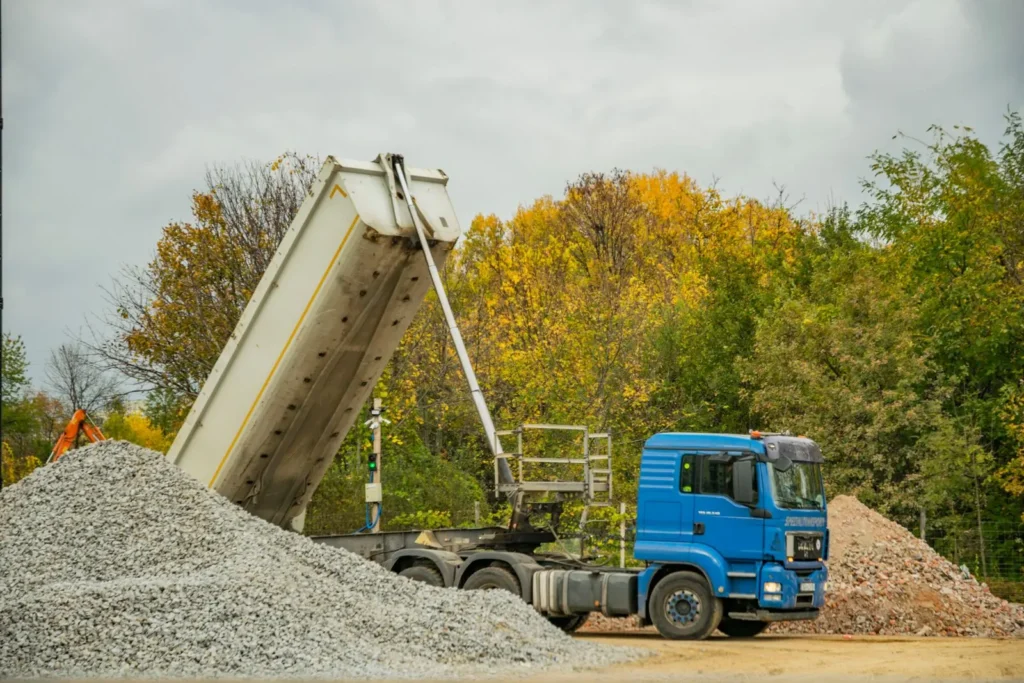
Dump truck unloading gravel at a construction site

Remote and rural jobsite freight

Remote projects can add long final miles, limited cellular coverage, seasonal roads, steep grades, weight-restricted bridges, and few nearby recovery options. A street address alone may not reveal whether a 53-foot trailer can enter, turn, stage, or leave safely. Provide written directions, gate coordinates when appropriate, road-surface details, vehicle limits, site contact, and a weather contingency. Tetrix Transport reviews the route and equipment before confirming capacity for the delivery.

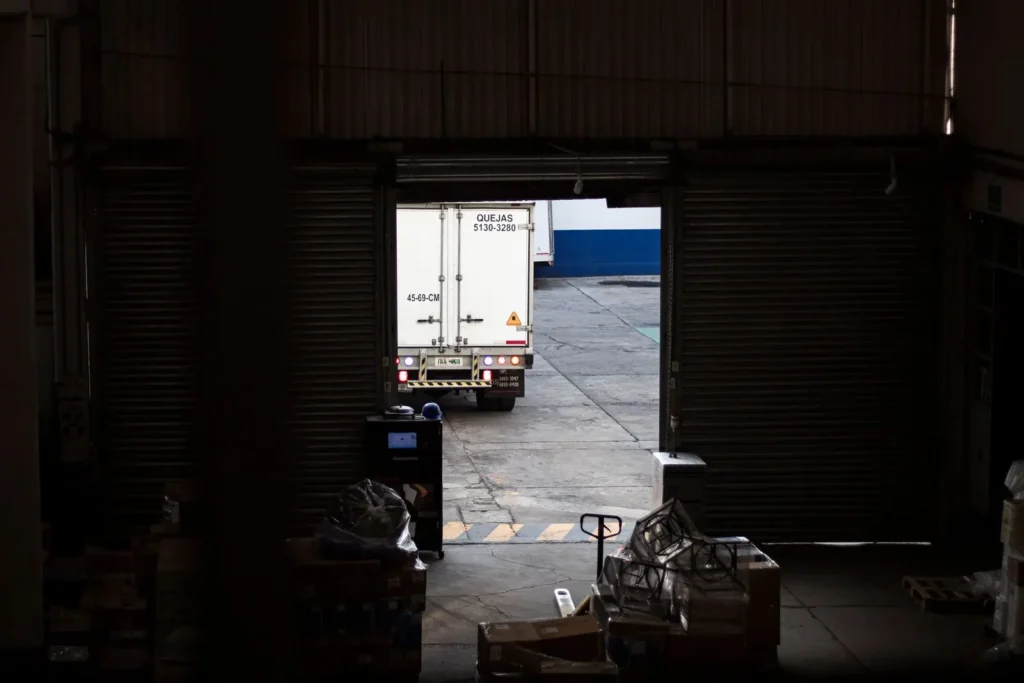
Delivery truck leaving a warehouse loading dock

Recurring supplier and project lanes

Repeat freight is easier to manage when forecasts reflect actual production, project phases, and receiving limits. Provide lane pairs, shipment frequency, typical dimensions and weight, equipment, loading time, site windows, seasonal changes, multi-stop needs, and known accessorials. Tetrix Transport can review repeat spot, contract, dedicated, or drop-trailer options for qualified programs. Forecasts support planning, but equipment is reserved only after operating terms and individual shipments are accepted.

Stacked metal beams in an outdoor industrial yard

Cross-border construction freight

Building products and equipment moving between the United States, Canada, and Mexico may involve commercial documents, customs brokers, carrier handoffs, border facilities, inspections, and separate permits for oversize freight. The shipper and importer should confirm product eligibility, classification, valuation, country of origin, customs responsibility, and any agency requirement before pickup. Tetrix Transport coordinates qualified transportation after those responsibilities and documents are clear. The schedule should allow for border processing rather than treating the lane like a domestic move.

Steel pipes stored on racks in an industrial warehouse

Warehouse hold and scheduled release

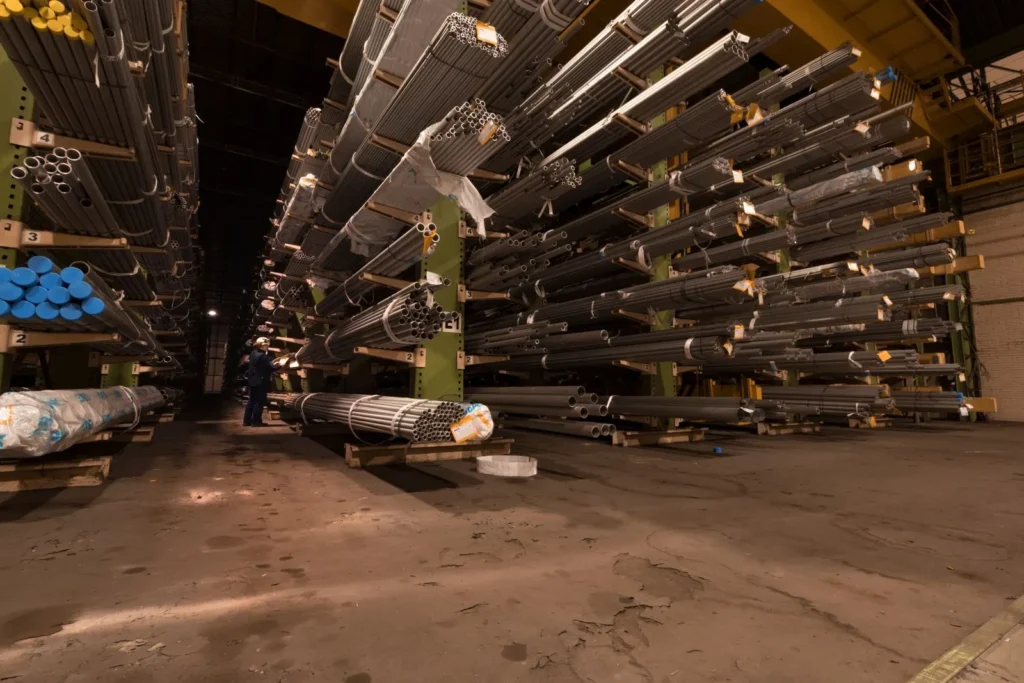
Materials sometimes become available before the site has secure storage, a completed foundation, an installation crew, or an open delivery window. Tetrix Transport can coordinate warehousing and distribution, cross-docking, consolidation, and scheduled outbound freight for approved products when a suitable facility is available. Product dimensions, weight, value, handling method, storage conditions, dwell time, count instructions, and release authority should be agreed first. Standard storage does not automatically include inspection, fabrication, kitting, weatherproofing, rigging, or jobsite installation.

1 / 13

OPEN-DECK FREIGHT

Choose the deck from the loaded dimensions and handling plan

Flatbed, step deck, RGN, and related open-deck equipment serve different height, weight, loading, and route requirements. Exact dimensions, weight distribution, product protection, securement needs, loading equipment, and destination access should be reviewed before a trailer is assigned. Oversize or overweight freight also requires confirmed responsibility for permits, routes, escorts, and travel restrictions.

Truck carrying a large steel beam on a winter road

FULL TRUCKLOAD

Dedicated trailer space for packaged construction freight

Dry van FTL can fit properly packaged fixtures, flooring, insulation, millwork, hardware, and other products that need enclosed transportation. Door clearance, pallet dimensions, gross weight, floor loading, stackability, bracing, and site access should be confirmed before pickup. A dedicated trailer limits intermediate handling while keeping the shipment on one planned commercial route.

Red freight trailer at a warehouse loading dock

DROP TRAILER

Separate loading time from driver time

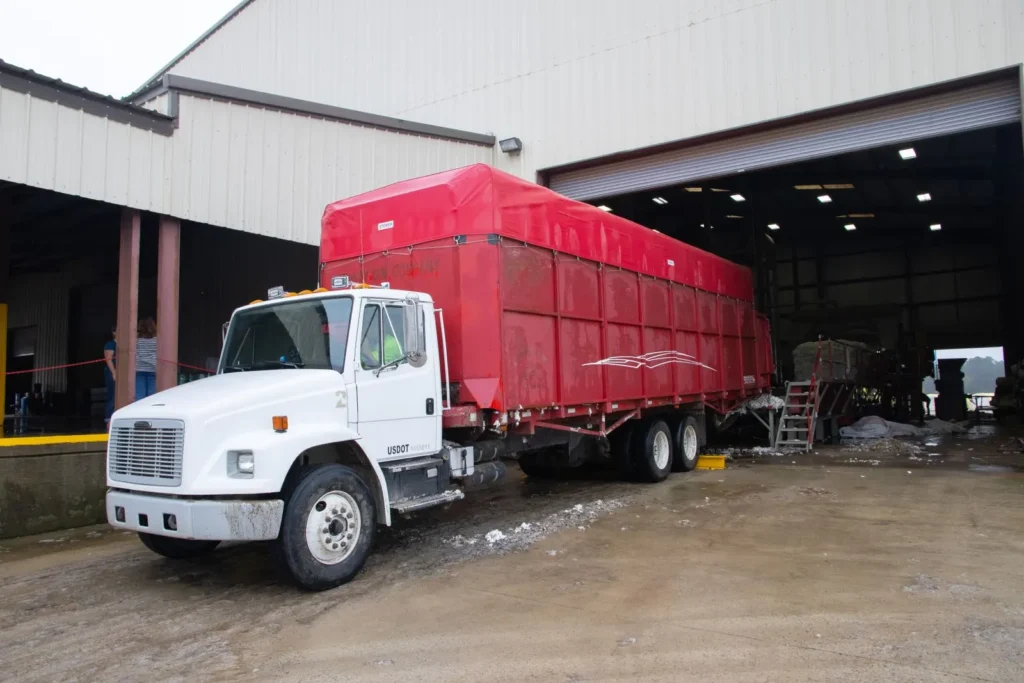
Drop trailer programs can support suppliers, yards, warehouses, and approved project locations that need more time to load or unload recurring freight. The plan should define trailer type, quantity, yard space, security, dwell, inspection, loaded and empty status reporting, and return responsibility. A live-load or scheduled delivery remains the better choice when the site cannot safely store unattended equipment.

Rows of freight trailers parked at a commercial loading dock

Construction logistics services at a glance

50 + DC
Nationwide construction freight coordination
OPEN DECK
Flatbed, step deck, and RGN options
FTL / LTL
Capacity for full and partial shipments
CA / MX
Qualified cross-border construction lanes

Plan the trailer, route, and unload before the truck is dispatched.

Send the commodity, piece or pallet count, exact dimensions, total weight, origin, destination, ready date, delivery window, loading method, unloading method, equipment preference, and site-access notes. Tetrix Transport will review the commercial lane and identify a suitable available freight option for an accepted shipment.

Request a Quote

Request a Construction Freight Quote

Add your shipment details below and a Tetrix Transport specialist will follow up. For an urgent commercial load, call (888) 889-6323 with the commodity, piece count, dimensions, weight, pickup and delivery ZIP or postal codes, loading method, equipment, ready time, delivery window, and jobsite-access notes.

    Pickup Date *

    Service Type *

    Commodity *

    Company Name *

    Phone *

    Email *

    FREIGHT DENSITY CALCULATOR

    Estimate your freight class instantly

    Enter your shipment dimensions and total weight to estimate its density-based freight class.

    Calculate NowSample values shown. Change any field to calculate your shipment.
    Density Calculator
    Suggested classClass 65

    Freight services for construction materials and equipment

    Equipment and service are selected from the product, packaging, dimensions, weight, loading method, route, site access, unloading plan, and delivery window.

    01

    Open-deck freight

    Flatbed, step deck, and RGN for qualified loads

    02

    Dedicated FTL

    Enclosed capacity for packaged project freight

    03

    Drop trailer

    Staged equipment for suitable recurring programs

    04

    Hold and release

    Approved storage with scheduled outbound delivery

    Match the equipment to the construction shipment

    Choose capacity from the loaded dimensions, weight, product protection, loading method, route, delivery access, and unload plan. Specialized equipment and services are included only when requested, priced, and confirmed.

    1 / 6

    Flatbed

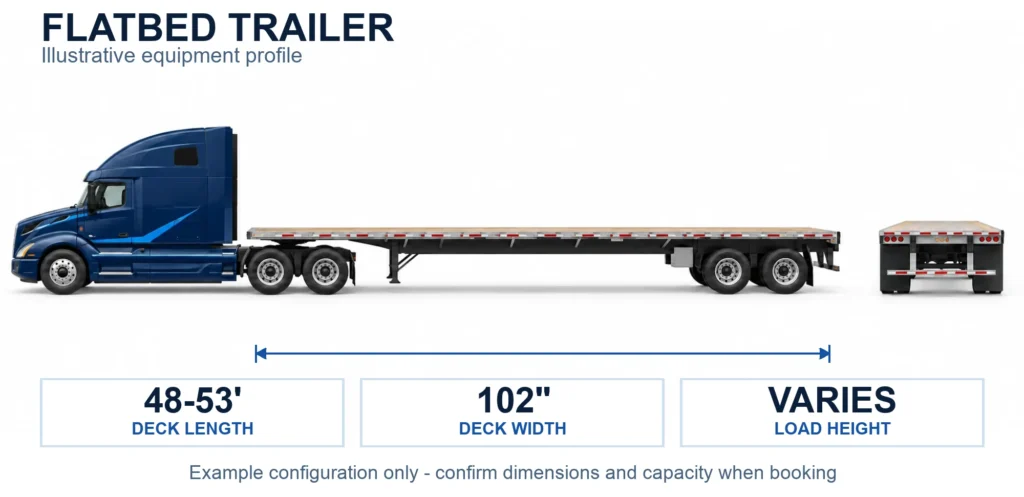
    Flatbeds can fit bundled lumber, steel, pipe, panels, scaffolding, machinery, and other approved products that need top, side, or crane access. The shipper and carrier should confirm deck space, loaded dimensions, weight distribution, dunnage, stakes, tarps, edge protection, securement, and unload method before dispatch.

    LOAD
    Top, side, or crane access
    DIMENSIONS
    Exact loaded profile required
    PROTECTION
    Product needs documented
    DELIVERY
    Site access confirmed
    Navy flatbed truck showing illustrative 48–53-foot deck length and 102-inch deck width on white background

    Illustrative equipment dimensions. Actual dimensions and available payload are confirmed for each carrier and shipment.

    48–53 ft deck · 102 in deck width · load height varies

    Step Deck

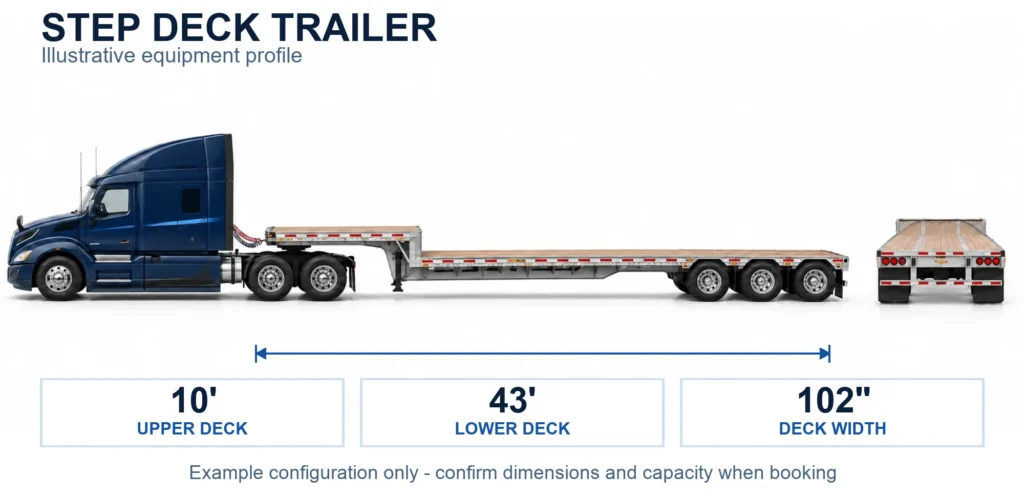
    Step deck equipment can provide a lower main deck for tall construction machinery and other approved loads that do not fit a standard flatbed height profile. Selection depends on verified loaded dimensions and weight, deck configuration, loading and unloading method, route review, and any required permits or escorts. RGN capacity is reviewed separately when the shipment needs it.

    CLEARANCE
    Loaded height verified
    WEIGHT
    Equipment and axle plan reviewed
    ROUTE
    Restrictions checked before dispatch
    UNLOAD
    Ramp or crane method confirmed
    Navy step deck truck showing upper and lower deck dimensions on white background

    Illustrative equipment dimensions. Actual dimensions and available payload are confirmed for each carrier and shipment.

    10 ft upper deck · 43 ft lower deck · 102 in width

    FTL

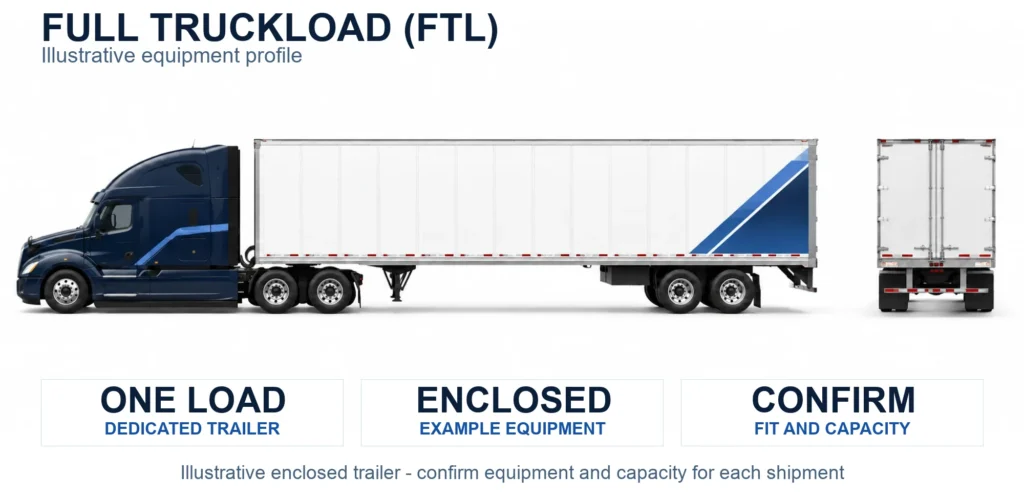
    Dedicated full-truckload capacity for properly packaged fixtures, flooring, insulation, millwork, hardware, and other approved construction products. Confirm pallet dimensions, gross weight, loading pattern, product protection, door clearance, dock access, and the jobsite unloading plan before dispatch.

    ENCLOSED
    Product kept inside a trailer
    PACKAGING
    Handling units prepared by shipper
    CLEARANCE
    Door and pallet height checked
    RECEIVING
    Dock or unload plan confirmed
    Navy full-truckload truck with enclosed trailer, illustrating dedicated FTL freight

    Illustrative equipment dimensions. Actual dimensions and available payload are confirmed for each carrier and shipment.

    Dedicated truckload · Enclosed trailer example · Fit and capacity confirmed

    Drop Trailer

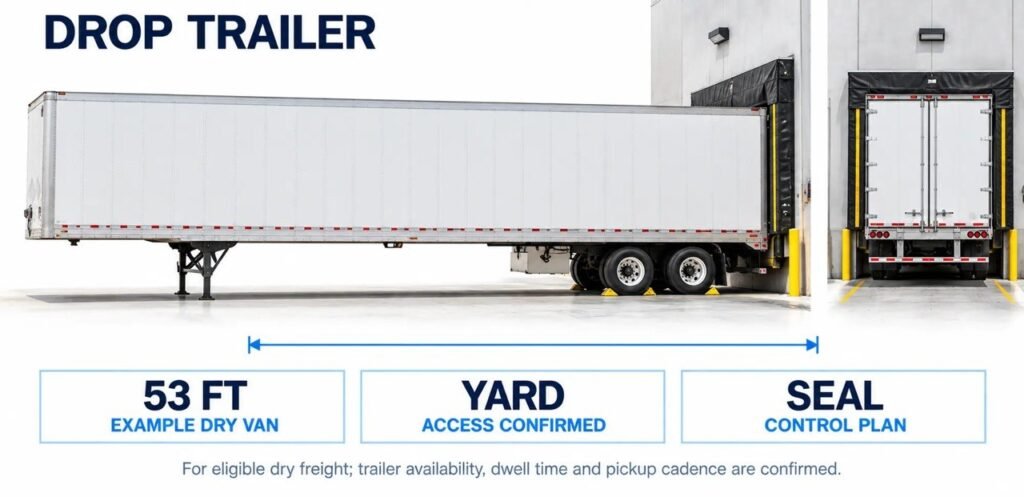
    Drop trailer service can give an approved supplier, yard, warehouse, or secure project location more time to load or unload recurring dry freight. A practical program requires suitable ground, safe access, yard space, security, dwell expectations, inspection procedures, status reporting, and a clear plan for empty equipment.

    YARD
    Space and access verified
    SECURITY
    Trailer controls documented
    DWELL
    Operating expectations agreed
    EMPTY
    Return process established
    53-foot dry van trailer staged at warehouse docks for scheduled pickup and freight loading

    53 ft example van · Yard access · Seal plan

    LTL

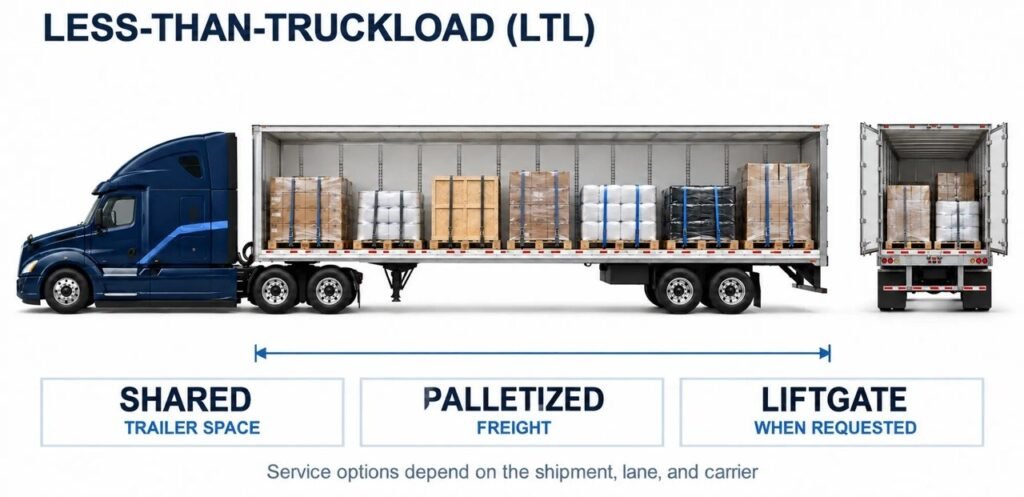
    LTL can fit smaller palletized or crated construction products that do not need a full trailer. Freight class, dimensions, weight, density, stackability, value, packaging, destination access, appointment, liftgate, notification, and other accessorials should be accurate before the shipment enters a shared terminal network.

    CLASS
    Commodity and density reviewed
    DIMENSIONS
    Handling units measured
    ACCESS
    Jobsite conditions disclosed
    HANDLING
    Packaging built for the network
    Navy truck with palletized freight sharing trailer space; liftgate service may be requested for LTL shipments

    Shared trailer space · Palletized freight · Liftgate by request

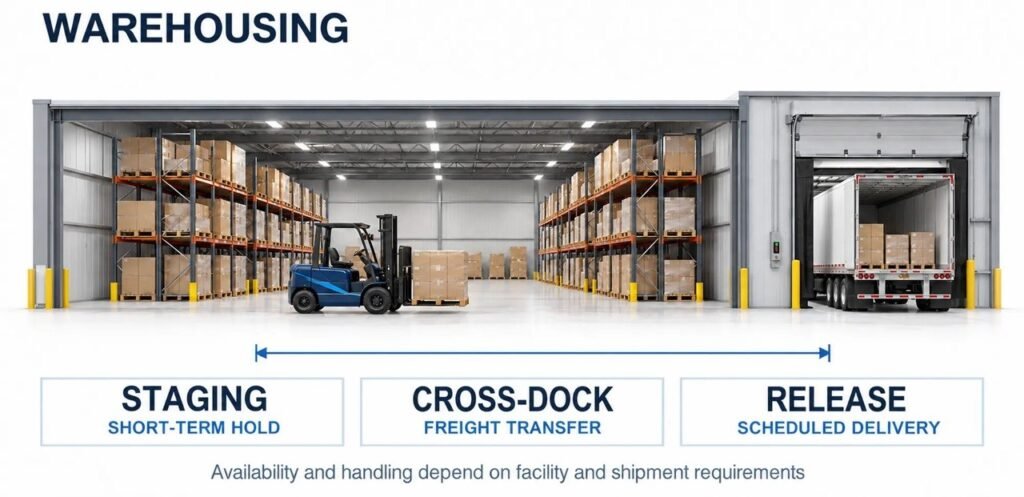
    Warehousing

    Warehouse support may include approved storage, consolidation, cross-docking, overflow space, and scheduled outbound releases when a suitable facility is available. Tetrix Transport reviews product dimensions, weight, value, handling equipment, storage conditions, count requirements, dwell time, release authority, and final delivery plan before placement.

    STORAGE
    Product requirements reviewed
    CONSOLIDATION
    Compatible freight combined
    RELEASE
    Written authority documented
    DELIVERY
    Final appointment coordinated
    Warehouse with pallet storage, forklift and docked trailer; staging, cross-dock and scheduled release services

    Staging · Cross-dock · Scheduled release

    Construction freight shipping across the United States

    Building materials transportation changes with the market, route, weather, equipment, and receiving site. Select a state below for a practical view of major construction corridors, access concerns, and planning details. Tetrix Transport coordinates qualified commercial freight in all 50 states and Washington, DC, subject to lane, product, equipment, and capacity review.

    Construction freight shipping in Alabama

    Alabama construction freight commonly moves through Birmingham, Huntsville, Montgomery, Mobile, and the I-65, I-20, and I-85 corridors. Steel, lumber, machinery, fixtures, and industrial project materials may originate at mills, suppliers, ports, or regional warehouses. Mobile-area freight can require a terminal, transload, or inland handoff, while rural sites need accurate road and unloading information. Tetrix Transport coordinates the equipment and appointment from verified dimensions, weight, product protection, and site access.

    Request a Quote

    Construction freight shipping in Alaska

    Alaska construction freight often requires an ocean, terminal, highway, and local delivery plan rather than one continuous truck move. Inventory serving Anchorage, Fairbanks, coastal communities, or remote projects may depend on sailing schedules, consolidation points, and limited final-mile capacity. Short construction seasons, severe weather, long distances, and restricted access leave little room for incomplete measurements or a missed handoff. Tetrix Transport reviews the complete commercial route and confirms which transportation portions can be coordinated for the shipment.

    Request a Quote

    Construction freight shipping in Arizona

    Phoenix anchors Arizona construction logistics, with regular project freight around Tucson, Flagstaff, Yuma, and the Nogales corridor. Desert heat can affect loading conditions, weather-sensitive products, equipment, and the amount of time freight should remain exposed at a site. Northern routes add elevation, grades, snow, and clearance considerations that differ sharply from the lower desert. Tetrix Transport matches the trailer and schedule to the material, loaded dimensions, route, and unloading window.

    Request a Quote

    Construction freight shipping in Arkansas

    Arkansas building materials transportation serves Little Rock, Northwest Arkansas, Fort Smith, Jonesboro, and projects along I-40, I-30, and I-49. Suppliers may need a mix of dry van, LTL, flatbed, or dedicated capacity for packaged products, steel, lumber, fixtures, and equipment. Ozark terrain, rural roads, temporary entrances, and sites away from major corridors make vehicle access especially important. Tetrix Transport builds the accepted move around the actual origin, delivery approach, unloading method, and requested window.

    Request a Quote

    Construction freight shipping in California

    California construction freight moves through the Los Angeles and Long Beach port complex, the Inland Empire, the Bay Area, Sacramento, San Diego, and many regional supplier markets. Port appointments, container availability, freeway congestion, local truck routes, and site restrictions can influence the plan before an inland truck is dispatched. Oversize loads need route-specific permit review, while wildfire conditions and mountain weather may affect inland and northern lanes. Tetrix Transport coordinates each approved leg using current terminal, product, equipment, facility, and jobsite information.

    Request a Quote

    Construction freight shipping in Colorado

    Denver and Aurora lead Colorado construction distribution, with steady project freight around Colorado Springs, Fort Collins, Pueblo, and mountain communities. Front Range deliveries differ from sites west of the Continental Divide, where grades, elevation, tunnels, and winter restrictions can change equipment and legal transit time. Resort and remote projects may also have narrow receiving windows, limited staging space, and seasonal access. Tetrix Transport reviews the exact route and unload plan before confirming suitable capacity.

    Request a Quote

    Construction freight shipping in Connecticut

    Connecticut construction freight moves through Hartford, New Haven, Stamford, Bridgeport, and the I-84 and I-95 corridors. Short mileage can still involve heavy traffic, older streets, low-clearance concerns, toll planning, and sites with little room for a full-length trailer. Fixtures and finish materials may fit enclosed FTL or LTL, while steel, lumber, and machinery may require open-deck access. Tetrix Transport coordinates the lane from the actual dimensions, truck entrance, receiving hours, and unloading equipment.

    Request a Quote

    Construction freight shipping in Delaware

    Delaware construction freight is shaped by Wilmington, Newark, Dover, the I-95 corridor, and connections to Philadelphia, Baltimore, and the Delmarva Peninsula. The state’s compact size supports regional supplier lanes, but bridge traffic, coastal development, and seasonal congestion can still affect arrival times. Jobsite teams should confirm whether a dry van, flatbed, or smaller delivery vehicle can enter and stage safely. Tetrix Transport plans the accepted commercial move around the product, access, and receiving window.

    Request a Quote

    Construction freight shipping in Washington, DC

    Washington, DC construction deliveries often serve dense commercial, institutional, residential, and renovation sites with limited curb and staging space. Truck restrictions, loading zones, security procedures, traffic, and narrow work windows can determine whether the planned equipment is practical. The site should provide the precise truck entrance, vehicle limits, contact, unloading method, reservation requirements, and any local access instructions. Tetrix Transport coordinates commercial freight around those confirmed details and the broader metropolitan traffic pattern.

    Request a Quote

    Construction freight shipping in Florida

    Florida construction freight serves Miami and South Florida, Orlando, Tampa, Jacksonville, and expanding markets along both coasts. Long in-state distances, port activity, tourism traffic, and limited north-south highway alternatives can complicate supplier-to-site timing. Heat, heavy rain, and hurricane disruptions may affect products, ports, roads, crews, and receiving appointments. Tetrix Transport coordinates approved dry van, flatbed, FTL, LTL, drayage, and warehouse handoffs from current readiness and site information.

    Request a Quote

    Construction freight shipping in Georgia

    Georgia connects the Port of Savannah with Atlanta and project markets around Macon, Augusta, Columbus, and the I-75, I-85, and I-16 corridors. Import building products or machinery may require drayage, transloading, storage, and a separate jobsite delivery. Atlanta congestion and Savannah terminal timing should be built into the plan instead of treated as exceptions. Each leg needs confirmed equipment, reference numbers, handoff contacts, and delivery instructions before dispatch.

    Request a Quote

    Construction freight shipping in Hawaii

    Hawaii construction freight normally depends on ocean transportation, terminal handling, and an island delivery plan. Honolulu and Oahu handle the largest concentration of materials, while Maui, Hawaii Island, Kauai, and other destinations may require separate inter-island arrangements. Product protection, container loading, sailing schedules, storage, equipment availability, and final-site access all matter before freight leaves the mainland. Tetrix Transport reviews the complete commercial routing request and confirms which coordinated services are available.

    Request a Quote

    Construction freight shipping in Idaho

    Boise and the Treasure Valley lead Idaho’s project growth, with construction freight also serving Twin Falls, Idaho Falls, Pocatello, and Coeur d’Alene. Interstate supplier lanes can be direct, while rural sites and mountain or high-desert routes need more careful equipment and transit planning. Winter conditions, grades, long distances between service points, and temporary access roads can change a delivery schedule. Tetrix Transport works from the exact origin, material profile, route, and unload plan instead of using a generic statewide estimate.

    Request a Quote

    Construction freight shipping in Illinois

    Illinois building materials transportation is led by Chicago, Joliet, Elwood, Rockford, Peoria, and the Metro East area near St. Louis. The Chicago region combines ports of entry, rail ramps, warehouses, toll roads, dense jobsite traffic, and strict urban receiving windows. Central and southern Illinois add mill, supplier, industrial, and rural project lanes with different equipment patterns. Tetrix Transport coordinates dry van, flatbed, FTL, LTL, drayage, or warehouse handoffs for the confirmed shipment.

    Request a Quote

    Construction freight shipping in Indiana

    Indianapolis and nearby Plainfield and Whitestown form a central distribution base for construction products moving across the Midwest. Fort Wayne, South Bend, Evansville, and northwest Indiana add manufacturing, supplier, warehouse, and project demand. Congestion near Chicago, winter weather, bridge routes, and appointment-heavy facilities can affect otherwise short lanes. Tetrix Transport coordinates each move from the shipment profile, facility instructions, equipment, and accepted site window.

    Request a Quote

    Construction freight shipping in Iowa

    Iowa construction freight commonly moves through Des Moines, Cedar Rapids, Davenport, Waterloo, Council Bluffs, and Sioux City. I-80 and I-35 support regional supply, while smaller communities and rural projects may have limited unloading resources or narrow delivery hours. Snow, high winds, agricultural traffic, and unpaved approaches can affect open-deck freight and jobsite access. Tetrix Transport plans commercial deliveries with realistic transit and complete origin and destination details.

    Request a Quote

    Construction freight shipping in Kansas

    Kansas supports construction distribution through the Kansas City area, Wichita, Topeka, Salina, and the I-70 and I-35 corridors. Its central location works well for regional supplier and project lanes, while western Kansas adds longer distances between major service points. Severe thunderstorms, high winds, snow, and temperature extremes can affect exposed products, crane schedules, and site readiness. The final freight plan should align equipment, product protection, route, and the confirmed unloading window.

    Request a Quote

    Construction freight shipping in Kentucky

    Louisville, Lexington, Northern Kentucky, and Bowling Green anchor construction freight across the state. I-65, I-64, and I-75 connect fabricators, suppliers, warehouses, and projects with Midwest and Southeast markets. Eastern Kentucky adds grades, winding access roads, and sites where trailer length or turning space may be limited. Tetrix Transport coordinates FTL, LTL, dry van, flatbed, and scheduled warehouse releases from the actual shipment and site requirements.

    Request a Quote

    Construction freight shipping in Louisiana

    Louisiana construction freight serves New Orleans, Baton Rouge, Shreveport, Lafayette, Lake Charles, and industrial and commercial markets along the Gulf. Port activity, river crossings, bridge traffic, and heavy industrial corridors can influence equipment selection and jobsite timing. Tropical weather, flooding, and facility closures may require revised routes or appointments during storm season. Before an accepted move proceeds, Tetrix Transport reconfirms shipment readiness, receiver availability, and the safe legal route.

    Request a Quote

    Construction freight shipping in Maine

    Portland, Lewiston-Auburn, Augusta, and Bangor serve as important building-material distribution points for Maine and northern New England. Deliveries beyond the southern population centers may involve long rural miles, fewer nearby equipment options, and sites with short receiving windows. Snow, spring road conditions, coastal weather, and seasonal construction demand should be reflected in the lead time. Tetrix Transport reviews the full route, product protection, destination access, and unload plan before arranging service.

    Request a Quote

    Construction freight shipping in Maryland

    Maryland construction freight moves through Baltimore, the I-95 corridor, Washington-area suburbs, Frederick, and the Eastern Shore. Port and rail freight may need drayage, transloading, or a warehouse handoff before final delivery to a yard or project. Congestion, bridge and tunnel routes, urban restrictions, and limited site staging should be checked early. A useful freight plan starts with the correct dimensions, equipment, site references, and delivery instructions.

    Request a Quote

    Construction freight shipping in Massachusetts

    Massachusetts building materials transportation centers on Greater Boston, Worcester, Springfield, and the I-90 and I-495 corridors. Boston-area projects may involve dense traffic, tolls, local truck restrictions, security, limited curb space, and exact delivery reservations. Western Massachusetts provides regional warehouse and supplier access but brings different mileage, terrain, and winter conditions. Tetrix Transport plans each accepted shipment around the address, trailer access, unloading method, and confirmed appointment.

    Request a Quote

    Construction freight shipping in Michigan

    Michigan construction freight serves Detroit, Grand Rapids, Lansing, Flint, Ann Arbor, and markets throughout both peninsulas. Detroit-area lanes connect with Canadian trade as well as a dense network of fabricators, manufacturers, warehouses, and project sites. Winter weather, bridge crossings, oversize routing, and longer northern trips can change transit and equipment availability. Domestic or cross-border planning should begin only after the commodity, dimensions, documents, and site rules are clear.

    Request a Quote

    Construction freight shipping in Minnesota

    The Minneapolis-Saint Paul region is Minnesota’s main construction distribution market, with additional freight activity around Rochester, St. Cloud, Duluth, and Mankato. Regional lanes carry steel, lumber, fixtures, machinery, and packaged products to yards, warehouses, and active projects. Severe cold, snow, ice, and wind can affect open-deck protection, roads, loading equipment, and site schedules. Tetrix Transport uses realistic transit planning and confirmed receiving details for each accepted shipment.

    Request a Quote

    Construction freight shipping in Mississippi

    Mississippi construction freight moves through Jackson, Tupelo, Gulfport, Hattiesburg, and the Memphis-adjacent market around Southaven. I-55 and I-20 support regional suppliers, while Gulf Coast routes connect with ports, industrial facilities, and coastal projects. Rural delivery points, heavy rain, tropical weather, and limited staging can require alternate timing or equipment. The pickup and delivery plan should carry the correct contacts and access instructions through the final site.

    Request a Quote

    Construction freight shipping in Missouri

    St. Louis and Kansas City anchor Missouri construction logistics, while Springfield, Columbia, and Joplin support regional suppliers and projects. Major east-west and north-south corridors make the state useful for recurring material lanes and multi-state programs. River crossings, urban traffic, hills, severe weather, and long rural final miles can still affect delivery timing. Tetrix Transport reviews the actual stop requirements before coordinating equipment and the requested schedule.

    Request a Quote

    Construction freight shipping in Montana

    Montana construction freight serves Billings, Missoula, Bozeman, Great Falls, Helena, and widely dispersed project locations. Long distances, mountain passes, high winds, snow, and fewer nearby equipment options make advance planning especially valuable. Remote sites should provide road conditions, turnarounds, staging space, unload equipment, and a reliable contact before dispatch. Mileage, route, loaded dimensions, and delivery instructions must be settled before a practical freight plan can be confirmed.

    Request a Quote

    Construction freight shipping in Nebraska

    Omaha and Lincoln are Nebraska’s largest construction freight markets, with Grand Island, Kearney, and North Platte supporting the I-80 corridor. The central route serves regional building-products distribution, although western Nebraska adds substantial distance between service points. Snow, wind, road closures, and rural project access can affect both transit and open-deck capacity. Tetrix Transport coordinates the move from confirmed supplier readiness through the yard or jobsite receiving window.

    Request a Quote

    Construction freight shipping in Nevada

    Las Vegas and Reno-Sparks drive much of Nevada’s construction supply and project-freight demand. Las Vegas shipments often serve commercial, hospitality, residential, and event-related builds, while northern Nevada connects with California and Intermountain suppliers. Desert heat, long rural distances, mountain routes near Reno, and limited laydown areas should be considered when setting delivery expectations. A Las Vegas site delivery and a Reno warehouse transfer need separate plans even when both remain inside Nevada.

    Request a Quote

    Construction freight shipping in New Hampshire

    New Hampshire construction freight centers on Manchester, Nashua, Concord, Portsmouth, and the commercial corridor linked to Greater Boston. Southern markets support regular regional supply, while northern and mountain projects may involve longer routes and more limited equipment availability. Winter weather, seasonal tourism, rural access, and small receiving areas can change a straightforward mileage estimate. Tetrix Transport coordinates the shipment from confirmed dimensions, site access, notification, and appointment requirements.

    Request a Quote

    Construction freight shipping in New Jersey

    New Jersey is a dense building-materials market built around Newark and Elizabeth, the port complex, Edison, Secaucus, Trenton, Camden, and the Turnpike corridor. Imported products or equipment may require terminal pickup, transloading, storage, and a separate construction-site appointment. Traffic, tolls, urban truck routes, security, and limited jobsite staging can make short moves operationally demanding. Complete terminal, product, equipment, and site information is essential before the next leg is dispatched.

    Request a Quote

    Construction freight shipping in New Mexico

    Albuquerque is New Mexico’s primary construction distribution market, with Santa Fe, Las Cruces, and border-area routes adding distinct freight needs. High elevation, desert heat, mountain weather, wind, and long distances between population centers can affect transit and product protection. Mexico-connected freight requires clear customs responsibility, commercial documents, equipment handoffs, and a confirmed border plan. Tetrix Transport reviews the domestic or qualified cross-border route around the actual commercial receiving requirements.

    Request a Quote

    Construction freight shipping in New York

    New York construction freight spans New York City and Long Island, the Hudson Valley, Albany, Syracuse, Rochester, and Buffalo. Downstate projects may involve truck restrictions, tolls, loading-zone limits, security, escorts, and narrow delivery windows. Upstate lanes add longer distances, lake-effect snow, and a different mix of suppliers, yards, and industrial sites. Equipment, route, references, and arrival procedures should be planned for the actual destination rather than for New York as one market.

    Request a Quote

    Construction freight shipping in North Carolina

    North Carolina construction logistics run through Charlotte, the Triad, the Triangle, Asheville, Fayetteville, Wilmington, and the I-40 and I-85 corridors. The state links manufacturers and building-products suppliers with fast-growing commercial, residential, industrial, and infrastructure projects. Mountain routes in the west and tropical weather near the coast require different timing, equipment, and contingency planning. Tetrix Transport coordinates each accepted shipment around the origin, product, route, site access, and unloading window.

    Request a Quote

    Construction freight shipping in North Dakota

    Fargo, Bismarck, Grand Forks, and Minot are North Dakota’s principal construction freight markets. Long rural routes and lower population density can mean fewer nearby trucks, repair options, warehouses, or recovery resources than in larger markets. Severe cold, snow, wind, and seasonal road conditions should be reflected in lead times, product protection, and site readiness. Capacity should be checked against the exact lane, with access and unloading instructions confirmed before dispatch.

    Request a Quote

    Construction freight shipping in Ohio

    Ohio offers broad construction distribution through Columbus, Cleveland, Cincinnati, Dayton, Toledo, Akron, and major interstate corridors. Its central location connects fabricators, manufacturers, warehouses, and building-products suppliers with Midwest and eastern projects. Turnpike traffic, urban appointments, river crossings, winter weather, and high-volume facilities still require careful coordination. Tetrix Transport arranges flatbed, FTL, LTL, dry van, drop trailer, and approved warehouse services from complete shipment details.

    Request a Quote

    Construction freight shipping in Oklahoma

    Oklahoma City and Tulsa anchor construction logistics in Oklahoma, with additional project freight around Lawton, Ardmore, and the I-35 and I-40 corridors. The state connects Texas, the central Plains, and Southeast suppliers for regional material and equipment moves. Severe thunderstorms, tornado-related disruptions, high winds, heat, and long rural approaches may change safe delivery timing. The freight plan should proceed only after facility status, product needs, route, and unload conditions are confirmed.

    Request a Quote

    Construction freight shipping in Oregon

    Oregon construction freight serves Portland, Salem, Eugene, Medford, Bend, and project routes throughout the Willamette Valley. Loads east of the Cascades or over mountain passes face different mileage, grades, clearance, weather, and capacity conditions than an I-5 delivery. Wildfire smoke, closures, winter storms, and seasonal traffic can also affect open-deck freight and jobsite schedules. Tetrix Transport reviews the route and delivery location before coordinating suitable equipment and timing.

    Request a Quote

    Construction freight shipping in Pennsylvania

    Pennsylvania’s construction network includes Philadelphia, the Lehigh Valley, Harrisburg, Scranton, Pittsburgh, Erie, and major warehouse and fabrication markets. Eastern Pennsylvania supports port, rail, supplier, and distribution activity, while western lanes connect with Ohio and the broader Midwest. Turnpike tolls, mountain grades, urban access, oversize routing, and winter weather can influence cost and transit. The actual site instructions, dimensions, equipment, and appointment provide a better plan than a statewide mileage estimate.

    Request a Quote

    Construction freight shipping in Rhode Island

    Rhode Island construction freight is concentrated around Providence, Warwick, Pawtucket, and the Quonset area. Short regional lanes connect with Boston and southern New England suppliers, but dense streets and limited jobsite space can complicate delivery. Exact entrances, trailer limits, loading zones, police or site controls, and unload equipment should be supplied before dispatch. Tetrix Transport uses those details to coordinate an appropriate commercial freight option.

    Request a Quote

    Construction freight shipping in South Carolina

    South Carolina construction freight moves through Greenville-Spartanburg, Columbia, Charleston, Florence, and coastal project markets. The Port of Charleston supports import materials and machinery that may require drayage, transloading, storage, or an inland site appointment. I-85 and I-26 traffic, tourism seasons, hurricane disruptions, and coastal weather can change equipment and receiving conditions. Current terminal, product, site, and scheduling information should follow the shipment through every approved leg.

    Request a Quote

    Construction freight shipping in South Dakota

    Sioux Falls is South Dakota’s largest construction distribution market, with freight also serving Rapid City, Brookings, Aberdeen, and smaller communities. East-west shipments can cover long distances, and western routes may involve grades, tourism traffic, or weather near the Black Hills. Winter storms, high winds, sparse service points, and remote unloading call for realistic lead time and complete site contacts. Tetrix Transport reviews lane-specific capacity before coordinating the commercial receiving window.

    Request a Quote

    Construction freight shipping in Tennessee

    Tennessee construction freight is led by Memphis, Nashville, Knoxville, Chattanooga, and Jackson. I-40, I-65, and I-24 connect suppliers, manufacturers, warehouses, and growing project markets across the state. Urban congestion, mountain routes in the east, river crossings, and fixed crane or crew windows can affect an otherwise direct lane. Dry van, flatbed, FTL, LTL, and warehouse options should be chosen from the confirmed material and site requirements.

    Request a Quote

    Construction freight shipping in Texas

    Texas building materials transportation spans Dallas-Fort Worth, Houston, Austin, San Antonio, El Paso, Gulf ports, and several border gateways. The state’s size means an intrastate load can still involve substantial mileage, multiple traffic markets, changing weather, and carefully managed driver hours. Port freight and Mexico-connected equipment also require clear terminal, customs, handoff, route, and appointment plans. Tetrix Transport coordinates the suitable domestic or qualified cross-border option from the shipment’s exact profile.

    Request a Quote

    Construction freight shipping in Utah

    Salt Lake City, Provo, Ogden, and the I-15 corridor form an important construction distribution base for Utah and the Intermountain West. St. George and remote markets add desert miles, while northern and mountain projects face grades, snow, elevation, and seasonal recreation traffic. Oversize components may need route-specific clearance and state permit planning before the delivery date is accepted. An accurate Utah freight plan should reflect the loaded profile, legal route, site access, and unloading method.

    Request a Quote

    Construction freight shipping in Vermont

    Vermont construction freight serves Burlington, Rutland, Montpelier, Brattleboro, Bennington, and many smaller communities. Rural access, mountain roads, mud season, snow, bridge limits, and tight village streets can make the final delivery more complex than the linehaul. Canada-connected building products need clear customs responsibility and a confirmed border plan before pickup. Tetrix Transport reviews the full route and destination requirements before arranging available capacity.

    Request a Quote

    Construction freight shipping in Virginia

    Virginia construction distribution includes Northern Virginia, Richmond, Hampton Roads, Roanoke, and the Shenandoah Valley. Port freight near Norfolk may connect with inland warehouses and projects, while I-95 traffic and Hampton Roads bridge-tunnel routes can affect timing. Mountain roads in the west and security or access controls near Washington require different equipment and scheduling decisions. Confirmed terminal, warehouse, site, and unloading details keep the individual handoffs aligned.

    Request a Quote

    Construction freight shipping in Washington

    Washington construction freight moves through Seattle, Tacoma, Everett, Spokane, Yakima, and Vancouver, with ports and warehouses supporting Pacific trade. Puget Sound congestion and terminal timing shape western deliveries, while Cascade passes separate those markets from eastern Washington. Snow, mountain closures, wildfire conditions, oversize routing, and seasonal agricultural traffic may affect the available route and equipment. Tetrix Transport coordinates drayage, dry van, flatbed, FTL, LTL, and warehouse handoffs from current shipment and site details.

    Request a Quote

    Construction freight shipping in West Virginia

    West Virginia construction freight serves Charleston, Huntington, Morgantown, Parkersburg, and the Eastern Panhandle. Mountain grades, winding roads, bridge restrictions, and smaller project entrances can affect trailer choice, clearance, and legal transit time. A destination described only by ZIP code may not reveal the correct truck approach, turnaround, or staging area. Access, unload equipment, appointment, and contact details should be confirmed before a truck is dispatched.

    Request a Quote

    Construction freight shipping in Wisconsin

    Wisconsin construction distribution is concentrated around Milwaukee, Madison, Green Bay, the Fox Valley, Kenosha, and Eau Claire. These markets connect with Chicago, Minneapolis-Saint Paul, and broader Great Lakes manufacturing and supplier networks. Snow, ice, seasonal demand, rural sites, and appointment-heavy facilities can change transit and delivery conditions. Tetrix Transport coordinates the lane from accurate dimensions, equipment, product-protection, site, and receiving information.

    Request a Quote

    Construction freight shipping in Wyoming

    Wyoming construction freight serves Cheyenne, Casper, Gillette, Rock Springs, and tourism-driven markets such as Jackson. Long distances, high winds, mountain grades, winter closures, and few alternate routes can affect safe transit and equipment availability. Remote sites should provide reliable directions, surface conditions, staging space, unloading equipment, and a weather contingency. The complete commercial route should be reviewed before capacity and a realistic delivery plan are confirmed.

    Request a Quote

    Ready to plan your construction freight shipment?

    Send Tetrix Transport the commodity, piece count, loaded dimensions, weight, origin, destination, ready date, delivery window, loading method, equipment, and site-access instructions. We will review the commercial lane and coordinate a suitable available freight option for an accepted shipment.

    Request a freight quote

    Construction logistics questions shippers ask

    What construction materials and equipment does Tetrix Transport coordinate?

    Tetrix Transport coordinates commercial freight for approved steel, lumber, pipe, panels, roofing, scaffolding, palletized products, millwork, fixtures, supplies, machinery, attachments, and related project cargo. Available services may include flatbed, step deck, RGN, dry van, FTL, LTL, drop trailer, warehousing, drayage, and qualified cross-border transportation. Acceptance depends on the exact commodity, condition, dimensions, weight, packaging, value, route, equipment, and loading and unloading methods. Regulated, unusually valuable, damaged, contaminated, or difficult-to-handle freight must be disclosed before a quote is finalized.

    What information is needed for a construction freight quote?

    Provide the commodity, piece or pallet count, exact loaded length, width, height, total weight, origin, destination, ready date, and requested delivery window. Include photographs or technical specifications when dimensions, lifting points, operating condition, attachments, or center of gravity may affect equipment selection. Tell us how the freight will be loaded and unloaded, whether either location has a dock, crane, forklift, ramp, or limited access, and whether tarps or other product protection are requested. For oversize or cross-border freight, include the route, documents, and known permit or customs responsibilities.

    What equipment can Tetrix Transport arrange for construction freight?

    Depending on the shipment, Tetrix Transport may coordinate flatbed, step deck, RGN, dry van, dedicated FTL, LTL, drop trailer, drayage, or warehouse-supported transportation. The right option comes from the loaded dimensions, weight distribution, loading method, product protection, route, site access, and unloading plan. Equipment names alone are not enough because deck height, well length, axle configuration, door clearance, ramp needs, and permits can change suitability. Final capacity is confirmed for each accepted shipment.

    Can freight be delivered directly to an active construction site?

    Yes, Tetrix Transport coordinates qualified commercial freight to active jobsites when the route and receiving plan are workable. The site should provide the correct truck entrance, road and surface conditions, vehicle restrictions, gate hours, staging area, contact, delivery window, and unloading equipment. A driver should not be sent into an unknown location with no safe turnaround or confirmed receiver. Crane, forklift, telehandler, labor, rigging, and installation must be assigned to the responsible parties before arrival.

    Can Tetrix Transport coordinate oversize loads, permits, and escorts?

    Tetrix Transport can coordinate qualified equipment for accepted oversize or overweight construction freight after exact loaded dimensions and weight are verified. Permits are issued by individual state agencies, and route, travel-hour, escort, signage, bridge, and weather conditions vary by jurisdiction. The responsible motor carrier or permit service generally handles the permit process, while the quote and tender should state who is responsible for permits, escorts, surveys, and related costs. No oversize load should be dispatched until the route and responsibilities are confirmed.

    Can materials be staged, stored, or moved on recurring project lanes?

    Tetrix Transport can review approved warehouse storage, cross-docking, consolidation, scheduled release, recurring FTL, LTL, and drop trailer programs. Share the lane pairs, shipment frequency, typical dimensions and weight, equipment, storage conditions, loading time, project phases, site windows, and expected seasonal changes. A forecast helps with planning but does not reserve equipment until operating terms and individual shipments are accepted. Drop trailer and storage options also depend on location suitability, security, handling requirements, dwell, and available capacity.

    Does Tetrix Transport coordinate construction freight with Canada and Mexico?

    Tetrix Transport coordinates qualified Canada cross-border freight and Mexico cross-border freight when the product, lane, equipment, documents, customs responsibilities, and carrier handoffs have been reviewed. The shipper and importer remain responsible for accurate commercial information, product eligibility, classification, valuation, country of origin, labeling, and required agency compliance. Tetrix Transport is not a customs broker and does not make customs or legal determinations. Oversize freight may also require separate permits and route planning on each side of the border.

    Does Tetrix Transport provide loading, rigging, installation, or tracking for freight booked elsewhere?

    Tetrix Transport arranges and coordinates the commercial transportation services specifically accepted and booked with Tetrix Transport. Loading, blocking, bracing, securement, rigging, crane work, unloading, assembly, and installation remain with the qualified and contractually responsible shipper, motor carrier, receiver, site contractor, or service provider unless a separate written service says otherwise. Tetrix Transport does not provide consumer parcel tracking or status information for shipments booked with another broker, carrier, retailer, or supplier. For freight arranged elsewhere, contact the original transportation provider or sender shown on the shipping documents.

    Scroll to Top